The art of Japanese tiles
Yukari (縁) is a Japanese word that refers to a profound connection: an affinity that transcends time and space, bringing together people, places, and stories from afar. Yukari Ceramics was born from this idea. Shaped by the meeting between Japanese craftsmanship and Italian design culture, it is the first to introduce traditional architectural ceramics from Japan to the world, reinterpreting them through a contemporary lens.
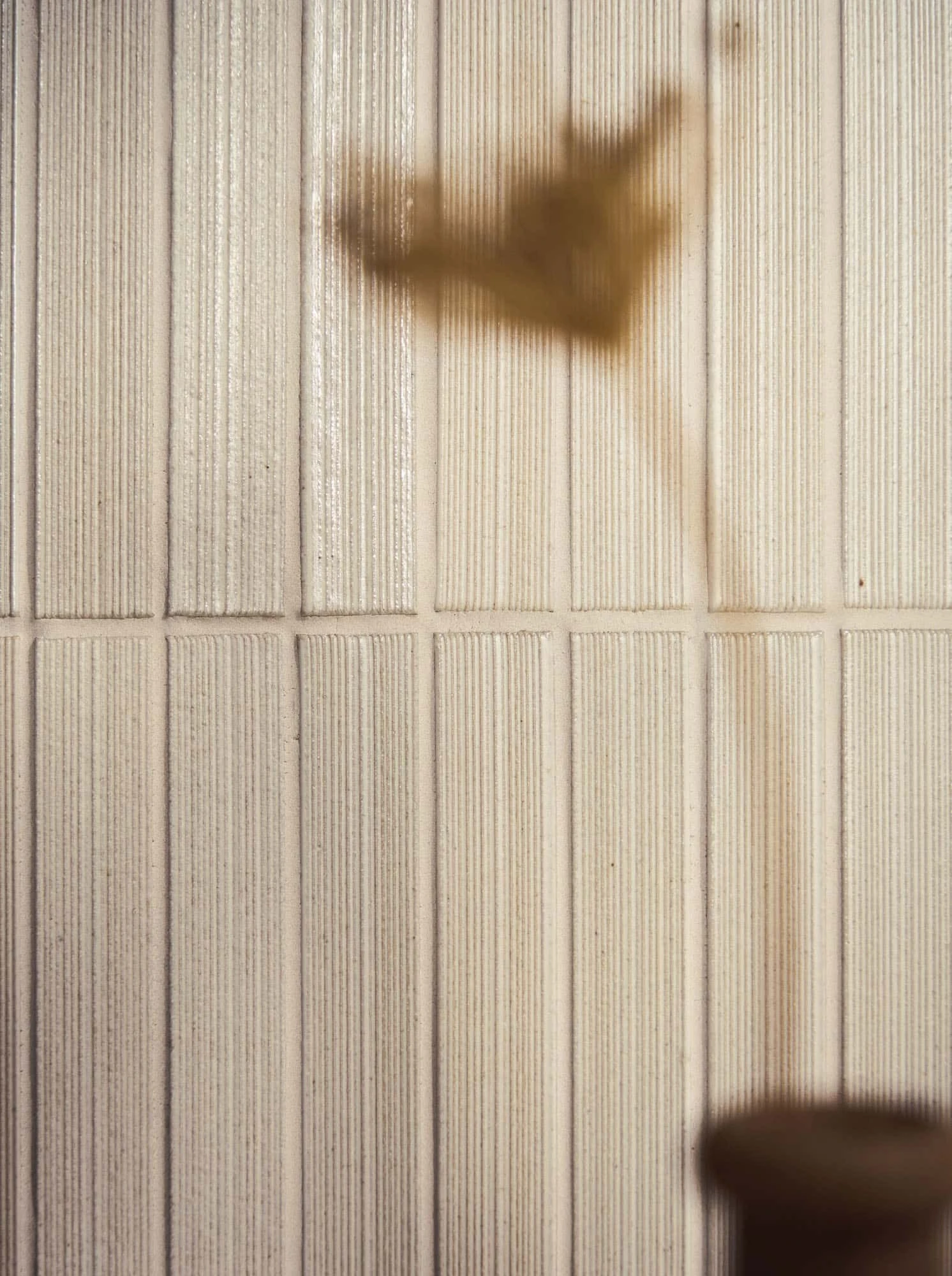
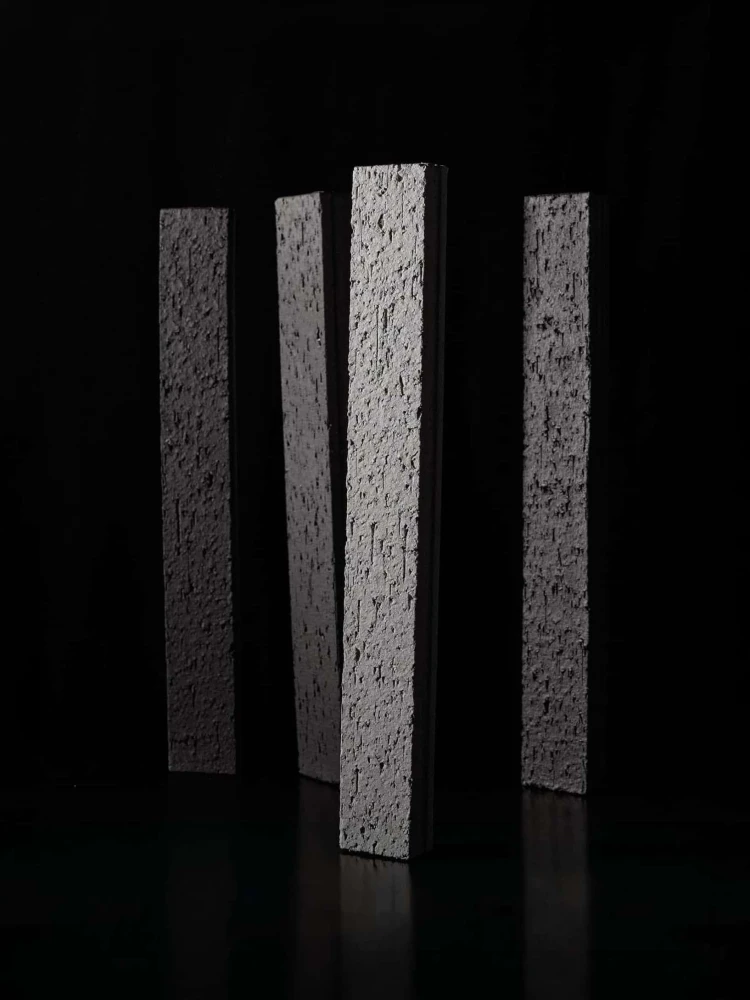
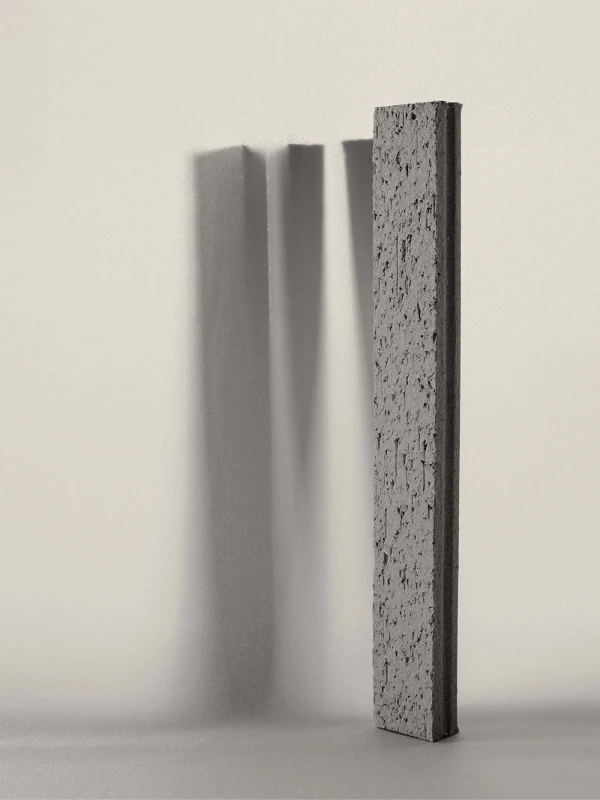
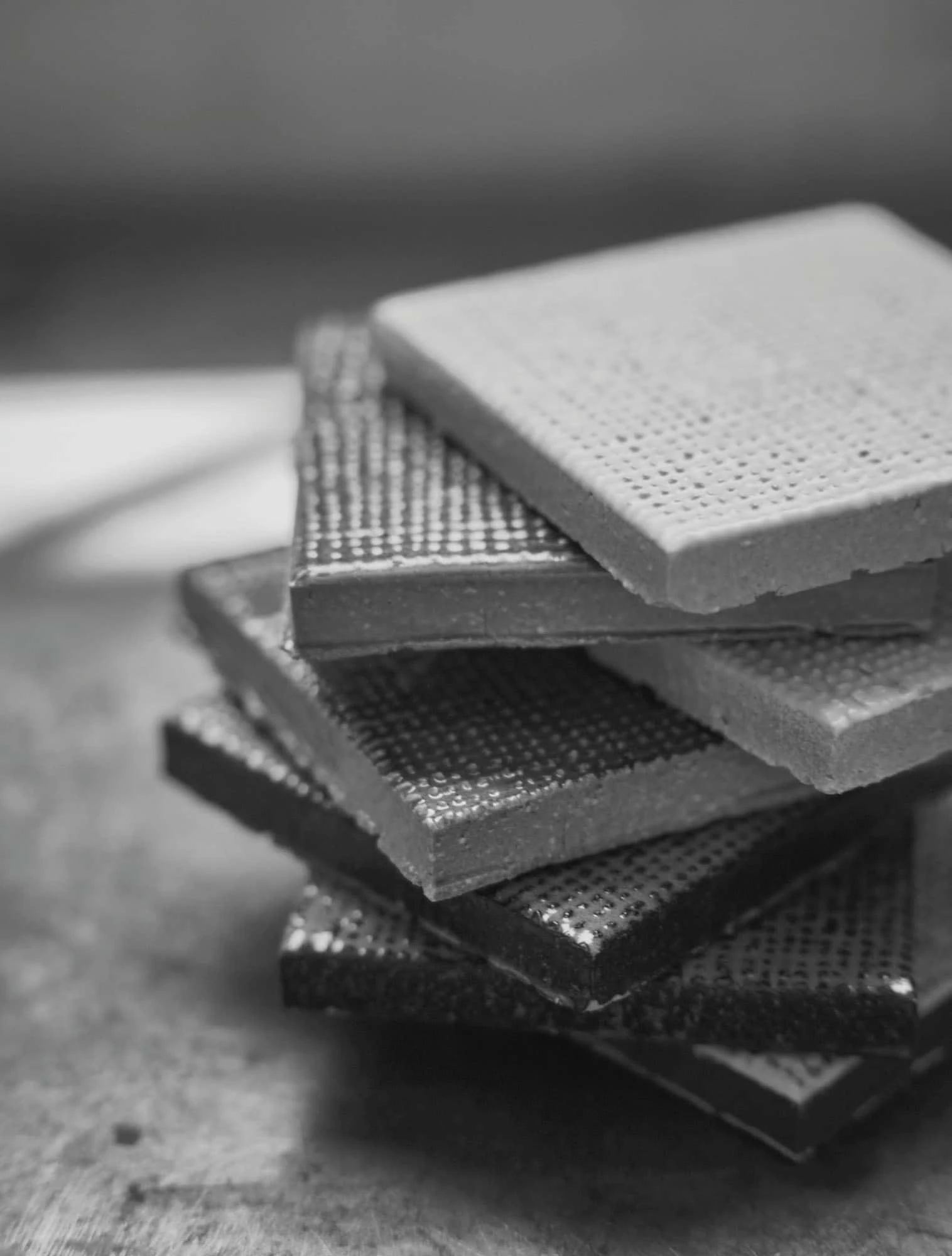
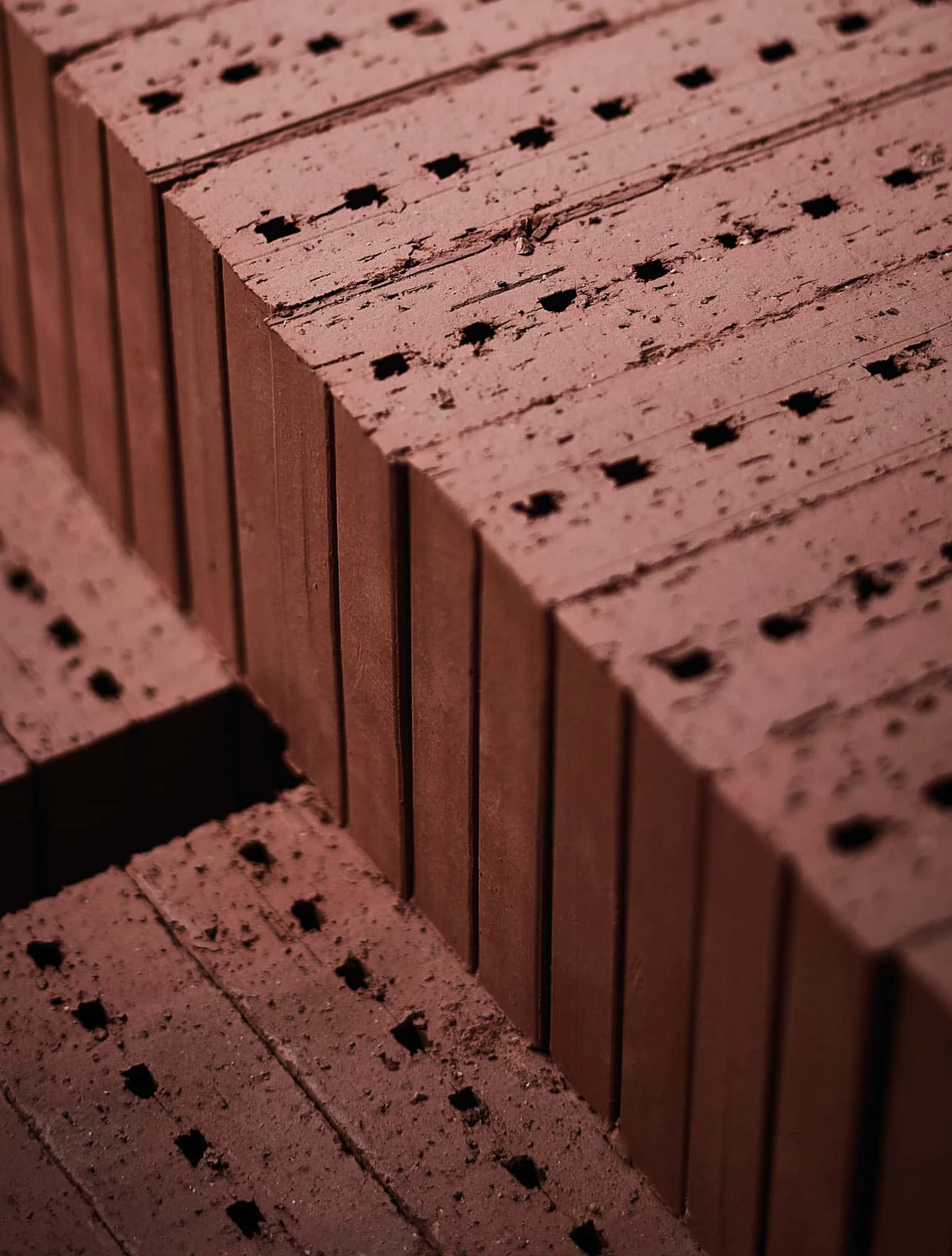
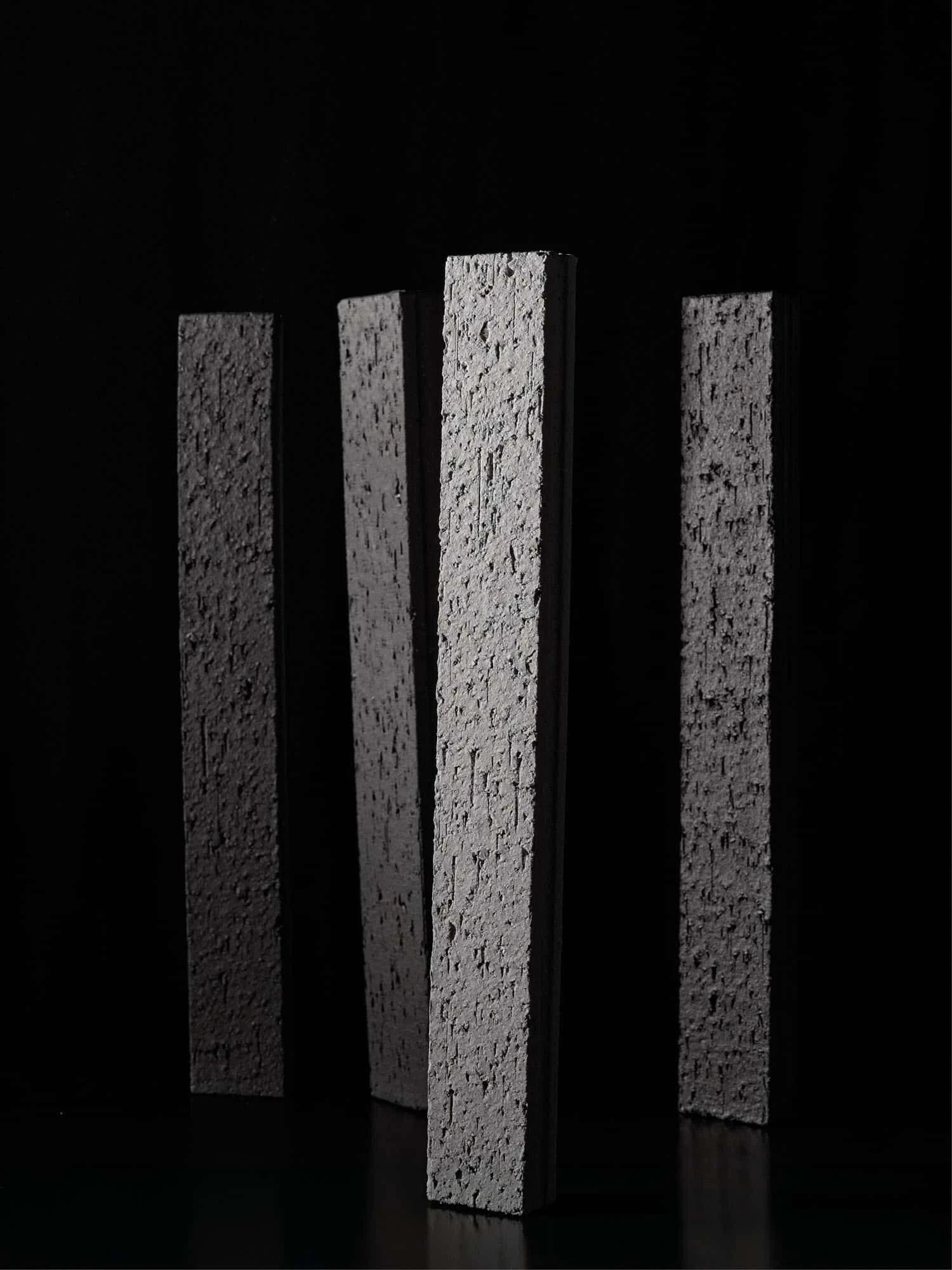
Each collection reflects nature and its possibilities. Engravings, glazes and firings transform the material while preserving its character. Fire introduces unexpected variations, while light continually reveals ever-changing textures. No two surfaces are ever identical: each retains the memory of the gesture that brought it into being. In this way, ceramic moves beyond its decorative function to become a living form—an architectural presence that brings rhythm and depth to space, establishing a quiet yet profound relationship with those who inhabit it.
Traditional ceramics
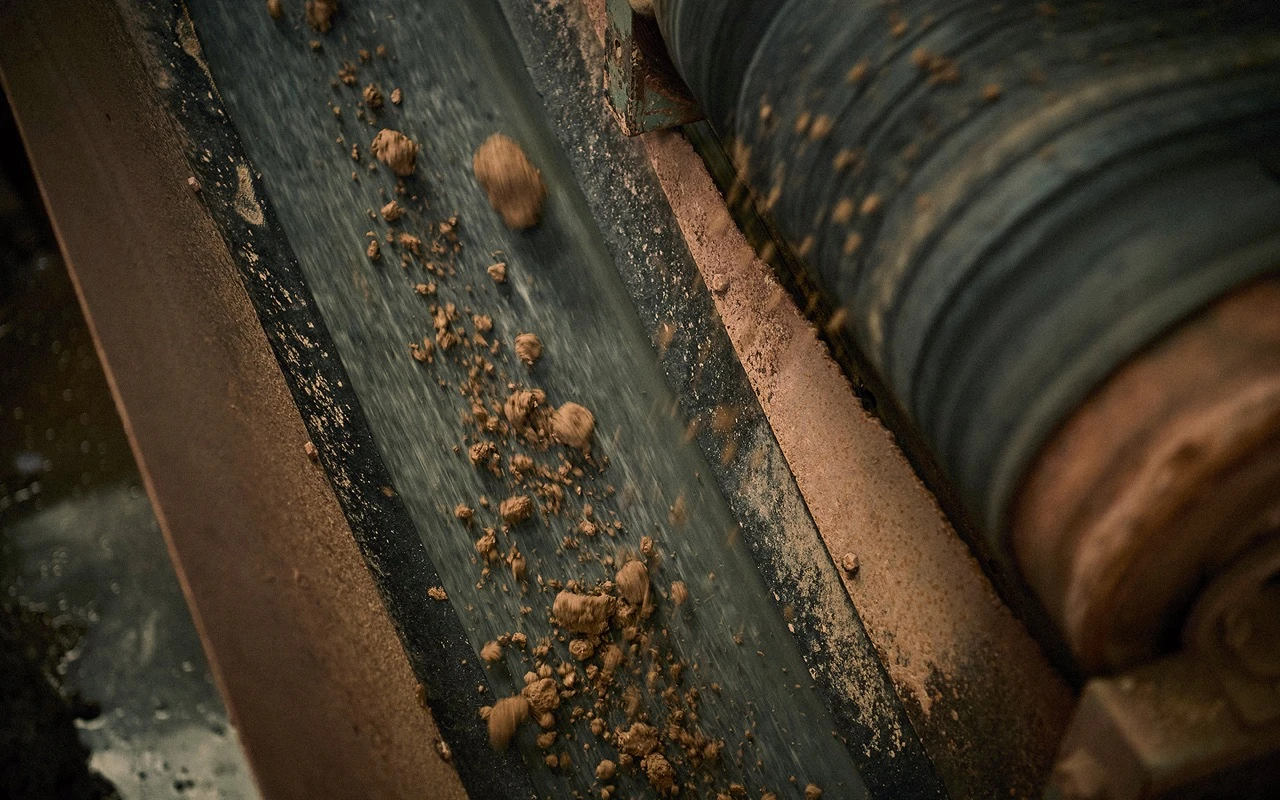
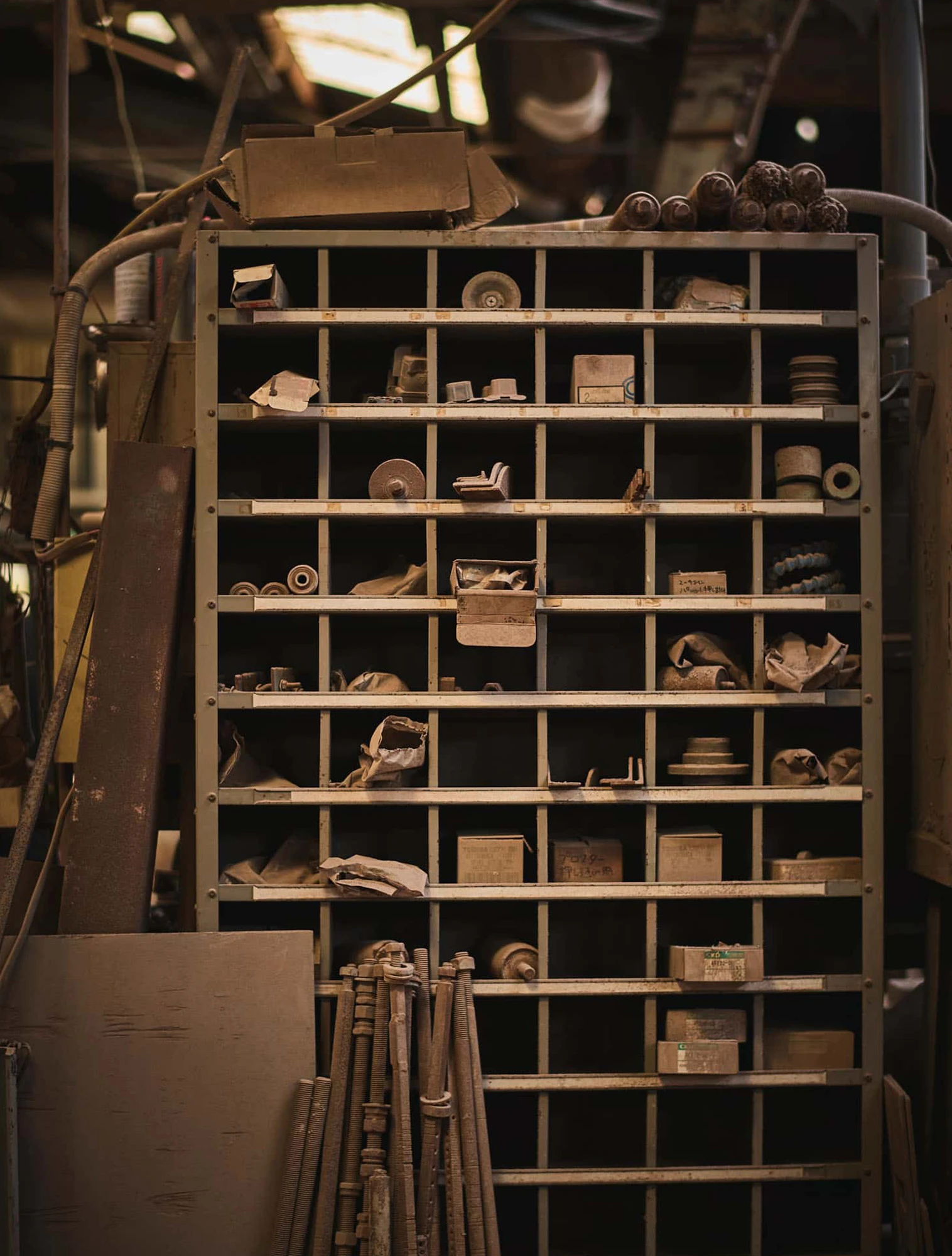
Every tradition begins in a place. For Japanese ceramics, that place is Tajimi, in Gifu Prefecture, where clay, water and fire have given rise to one of the country’s most important craft traditions for centuries. It is here that the Mino-yaki (美濃焼): tradition takes shape: a history of kilns and family workshops, but also of knowledge passed down through observation and the repetition of gestures. Within this culture, the material is not regarded as something to be mastered, but as a living presence with which to engage, in keeping with Mingei (民芸), philosophy, which recognises beauty in everyday objects and in the simplicity of craftsmanship. Yukari surfaces emerge from this tradition and preserve its secrets. The material acquires a tactile beauty that is never perfectly uniform, where every irregularity becomes a trace of the place, the fire, and the hands that shaped it.
Time is the key
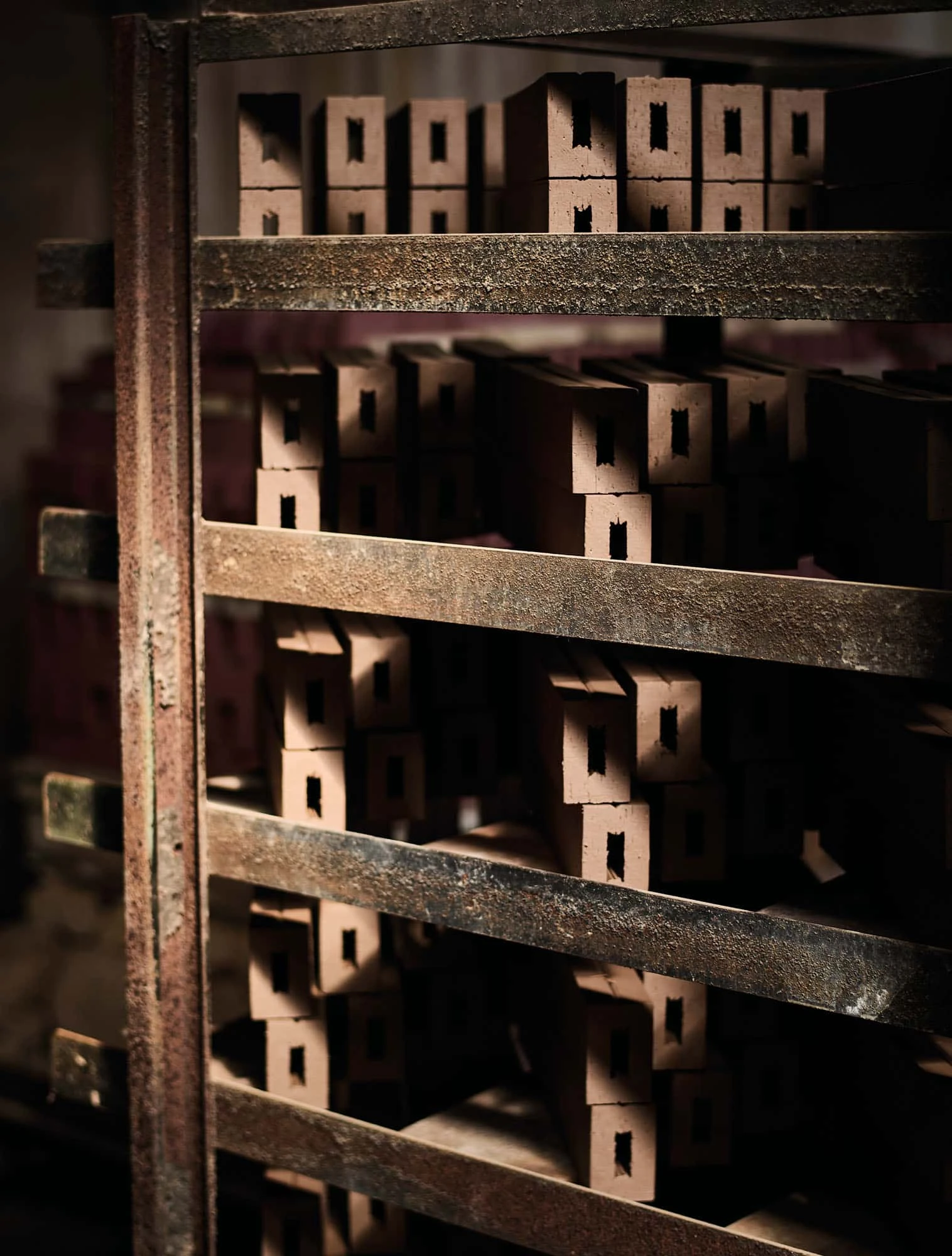
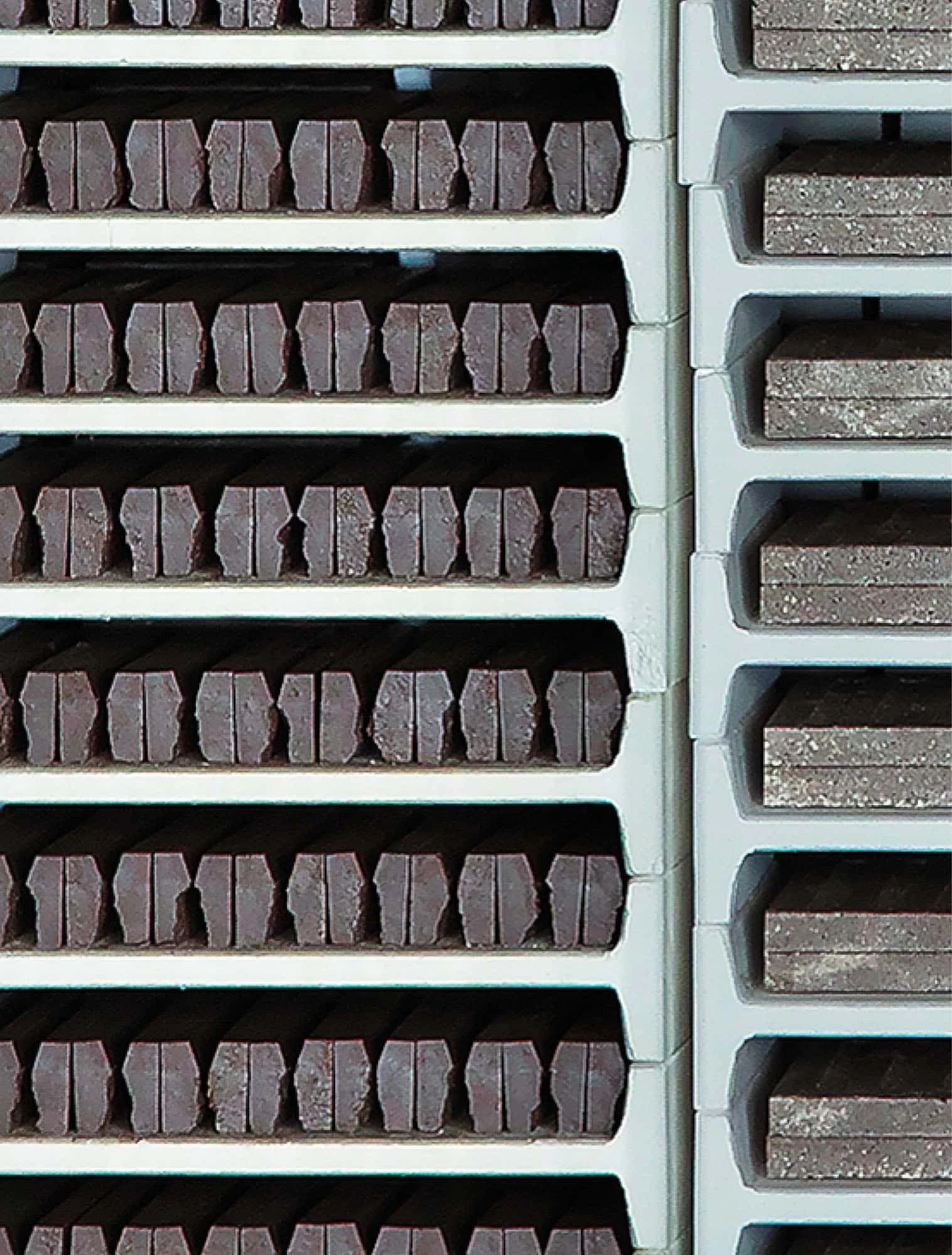
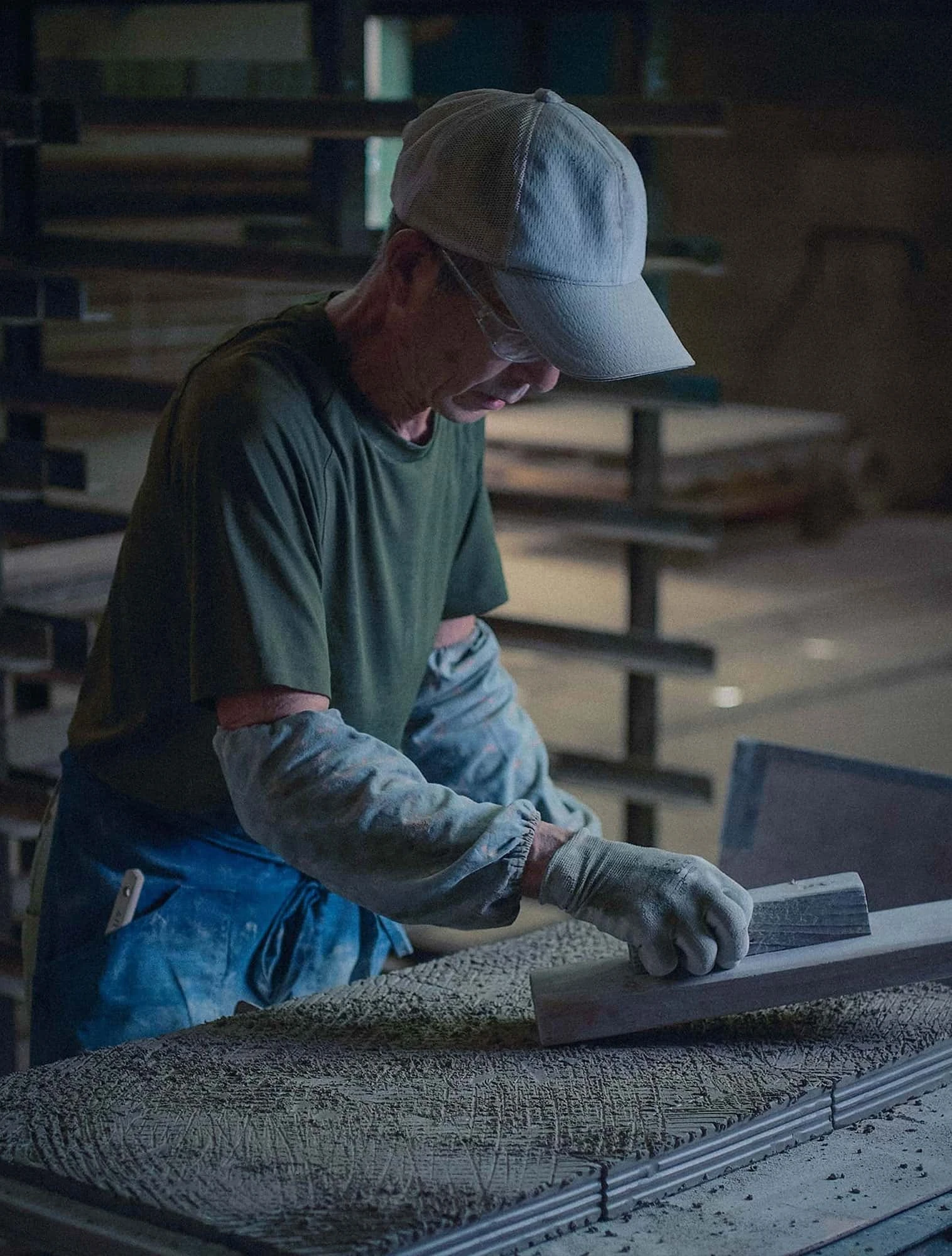
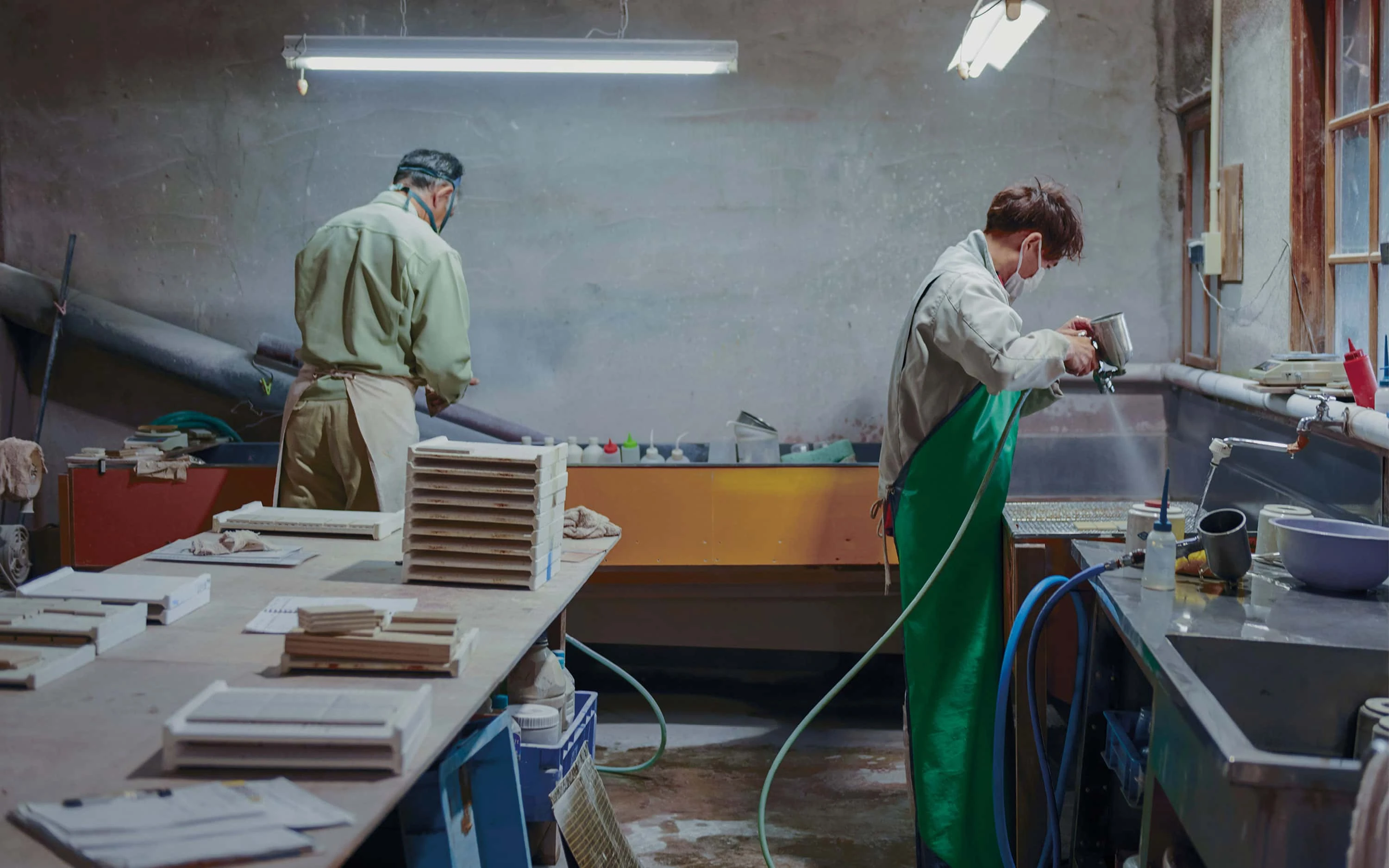
Ceramics are the result of successive acts of waiting. Clay is shaped, left to dry naturally, hand-glazed, and entrusted to slow firings that can last up to 48 hours. Times and temperatures vary according to the clay body and tile format, while the glazes—developed in-house—are calibrated directly to the material itself. Nothing is rushed: each stage prepares the way for the next. For Yukari, time is not a measure of production but its essential ingredient. It is what allows colour to acquire depth, surfaces to reveal their reflections and the material to find its balance. Within this process, even what appears to have reached the end of its journey can become part of it once again. Offcuts, unfired clay and non-conforming tiles are recovered and reintroduced into the production cycle, accounting for up to 80% of the materials used. The result reflects the truth of the material, distancing itself from the cold perfection of industrial manufacturing. In a production system driven solely by efficiency, choosing Yukari means embracing a different notion of availability—one founded on awareness, precision and quality.
Design culture
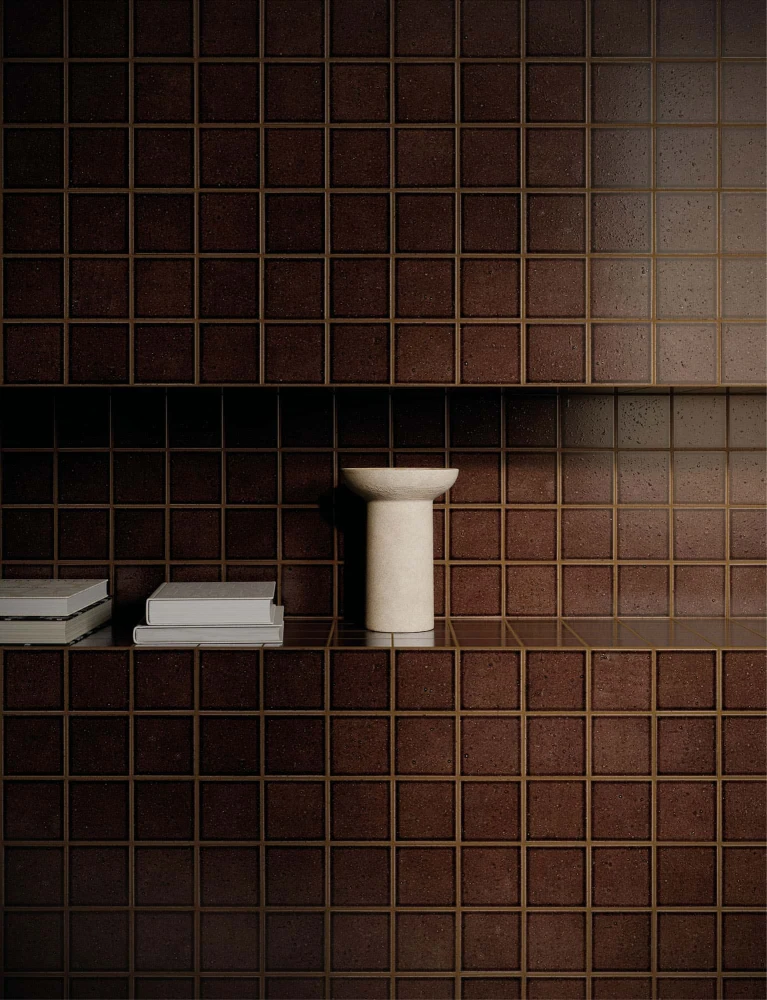
Within Yukari, tradition and design come together in a distinctly contemporary synthesis. Design does not intervene to alter the character of the material, but to reveal its potential. Colour, size, texture and glaze are conceived as parts of a single language. Each tile is an autonomous element, yet it finds its meaning in relation to the others. Surface becomes architecture; repetition generates variation and, in turn, atmosphere. Ceramic retains its own identity, without imitating the appearance of stone, wood, or metal. Instead, it expresses itself through the depth of its glazes and the traces left by the making process, asserting itself as an autonomous form of beauty. This sensibility engages contemporary Italian and international design culture, giving rise to bespoke collections and tailored solutions. The same vision extends across every aspect of the brand—from product to identity, from communication to exhibition spaces—forming a coherent and recognisable universe.
The italian perspective
Every project begins with a distance that someone chooses to cross. For Yukari, that distance connects Japan and Italy. In Japan, the material, the fire and the knowledge safeguarded by the workshops of Tajimi take shape. In Italy, these elements meet a strategic vision that brings them into contemporary architecture, through the work of a dedicated team bringing together expertise in design, research, logistics and communication. It is through this daily collaboration that collections, quality standards and solutions for the international market are developed, ensuring continuity and precision for architects and designers. Neither culture prevails over the other: both are transformed through their encounter. Perhaps this is the deepest meaning of Yukari: not a place of origin, but a shared space. An invisible bond that takes shape in the material, day after day.